We study how the genome folds in three dimensions and how chromatin organization regulates and buffers gene expression. We ask how these processes shape development and how their disruption contributes to cancer and developmental disorders.
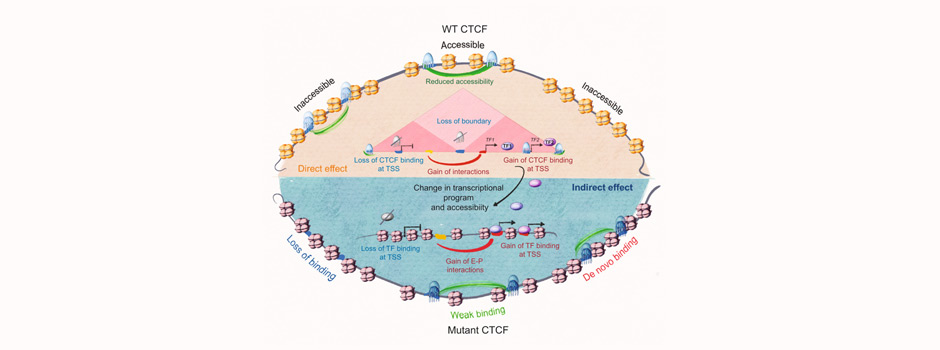
Our work spans CTCF, CTCFL, cohesin, condensin II and histone H1 variants, examining their roles alongside transcription factors and nucleosomes in connecting genome organization with gene regulation.
In HER2-positive breast cancer, we are testing drug combinations to prevent the emergence of drug-tolerant persister (DTP) cells and defining the mechanisms underlying their effects, including changes in chromatin states and gene regulatory circuits.
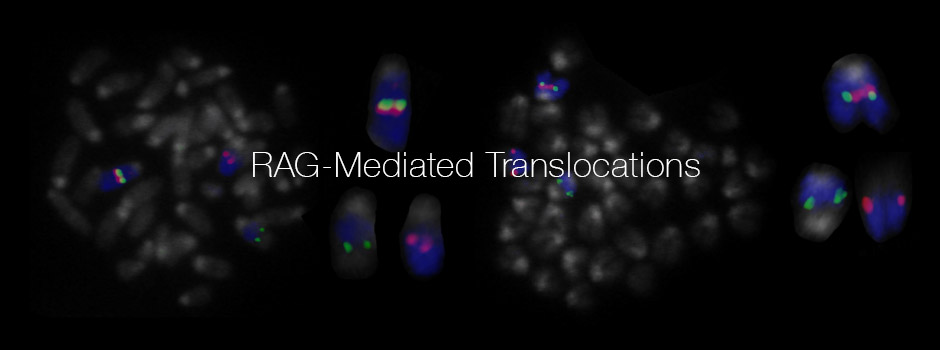
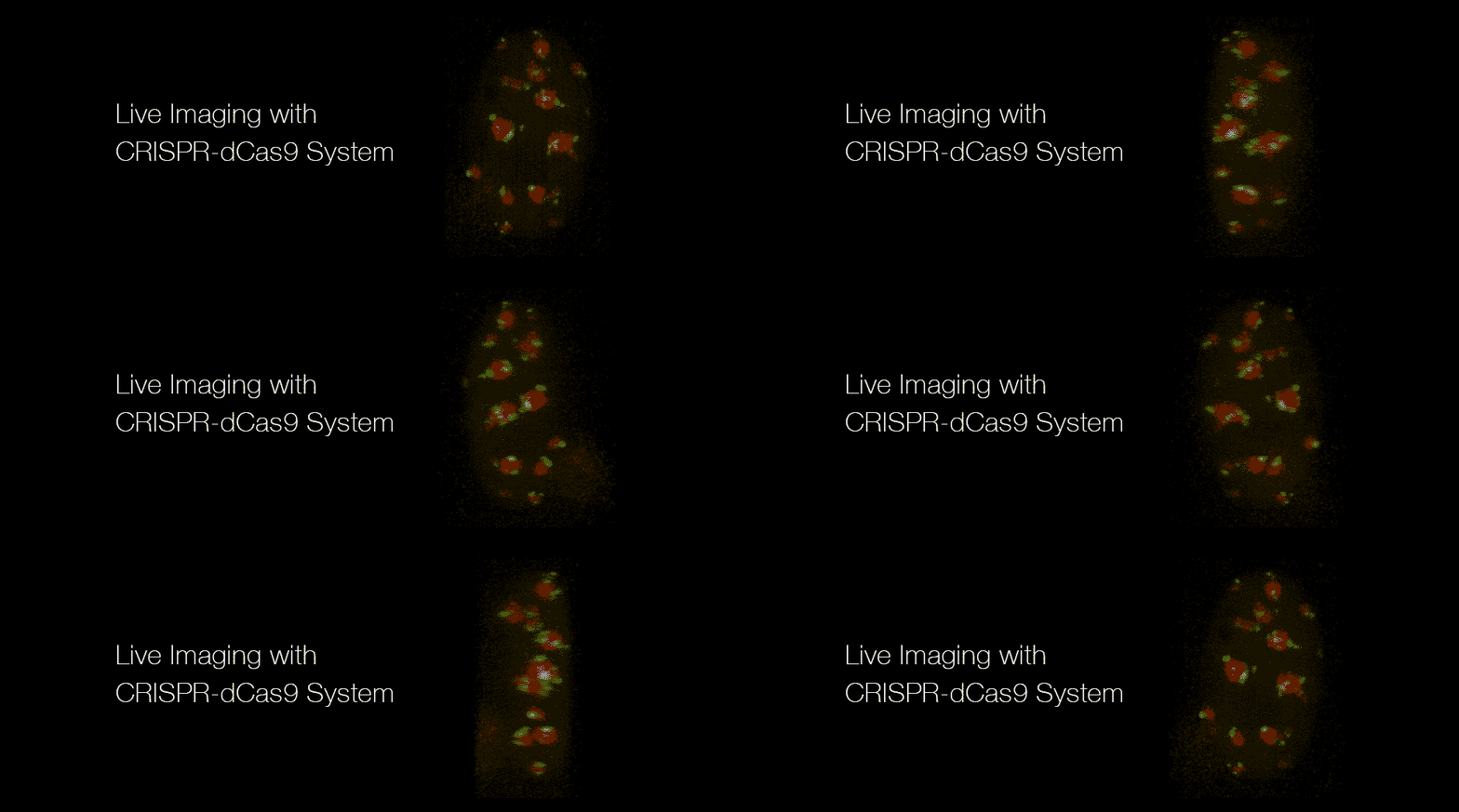
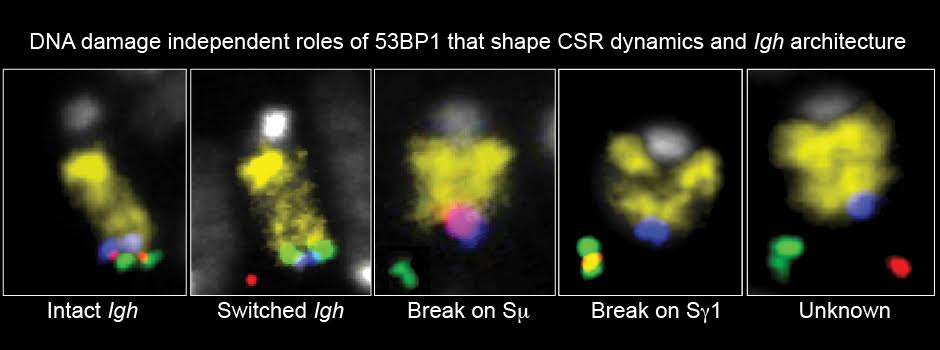
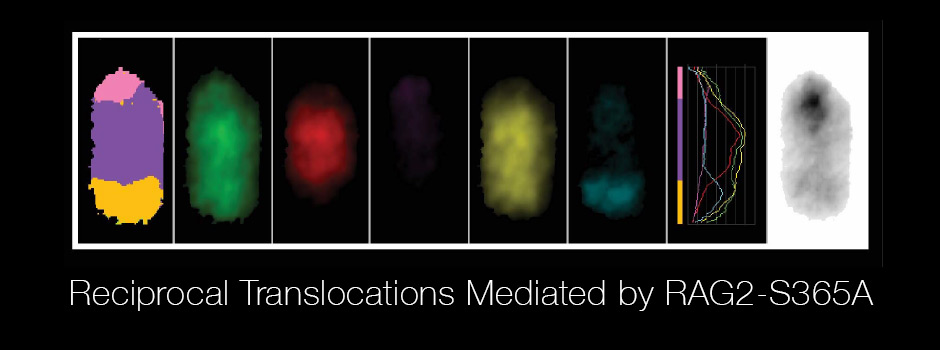
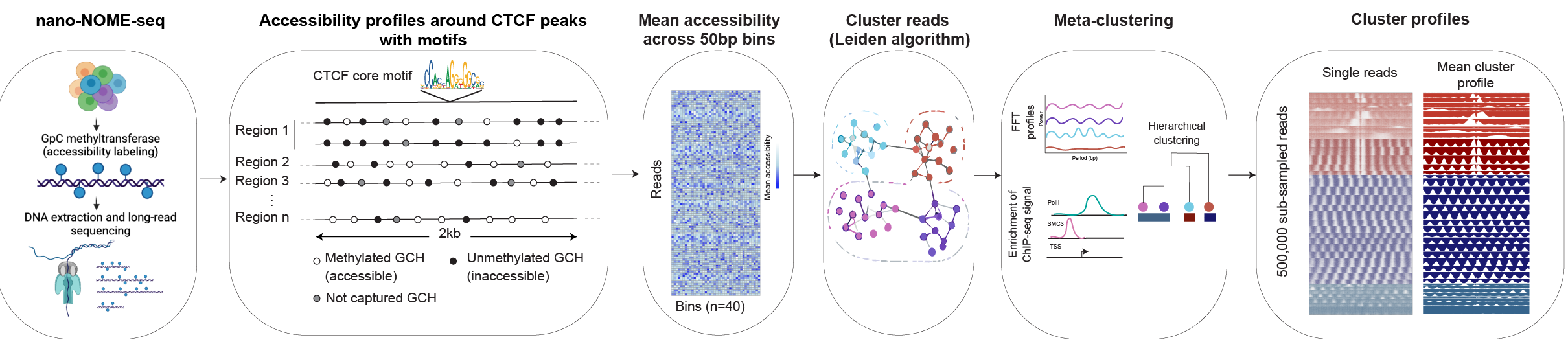
We develop and apply methods to investigate these processes across scales: 3D DNA-FISH, dual-colour live-cell CRISPR imaging, EpiMethylTag, MethNet and single-molecule nano-NOMe phasing.
-
Insulation and 3D folding
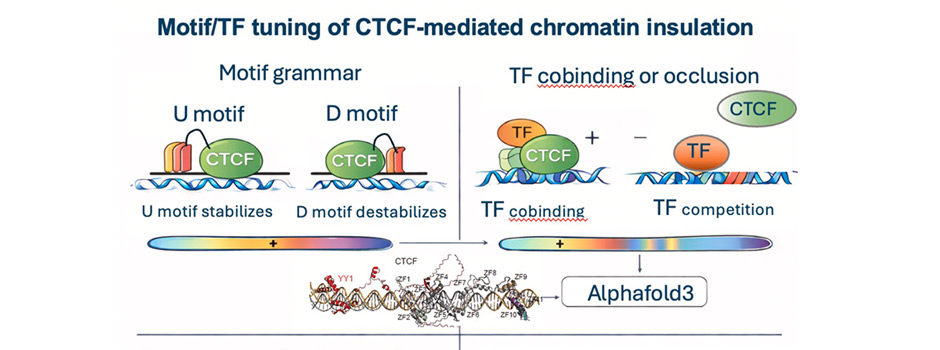
How CTCF and its partners set the boundaries between chromatin domains, and what tunes their strength.
- CTCF and CTCFL (BORIS)
- CTCF binding-domain mutants
- Motif grammar and nucleosome phasing
-
Chromatin in disease
How cancer drivers and DNA damage reorganise insulated domains and leave lasting changes in gene expression.
- NSD2 and domain reprogramming
- Chromatin memory after DNA damage in glioblastoma
- Regulatory hubs across cancers
-
Tools we build
Imaging, sequencing and computational methods that let us see chromatin states in single cells and single molecules.
Browse our tools
Recent papers
All publications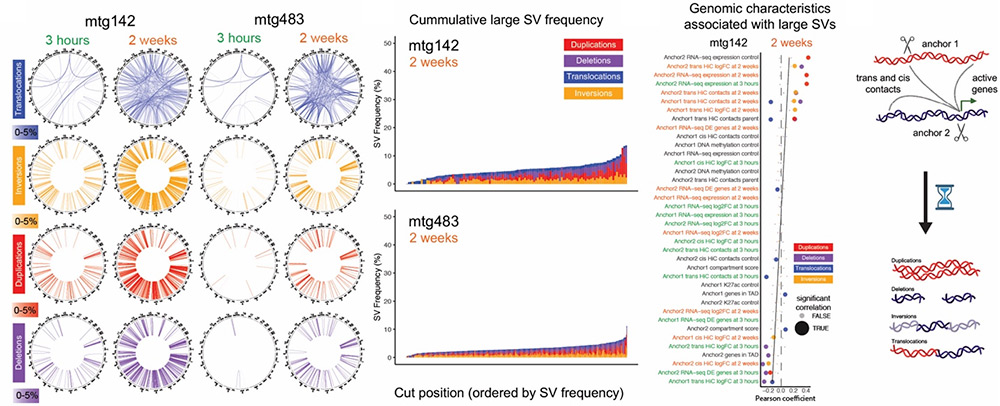
Connecting genome organization with gene regulation
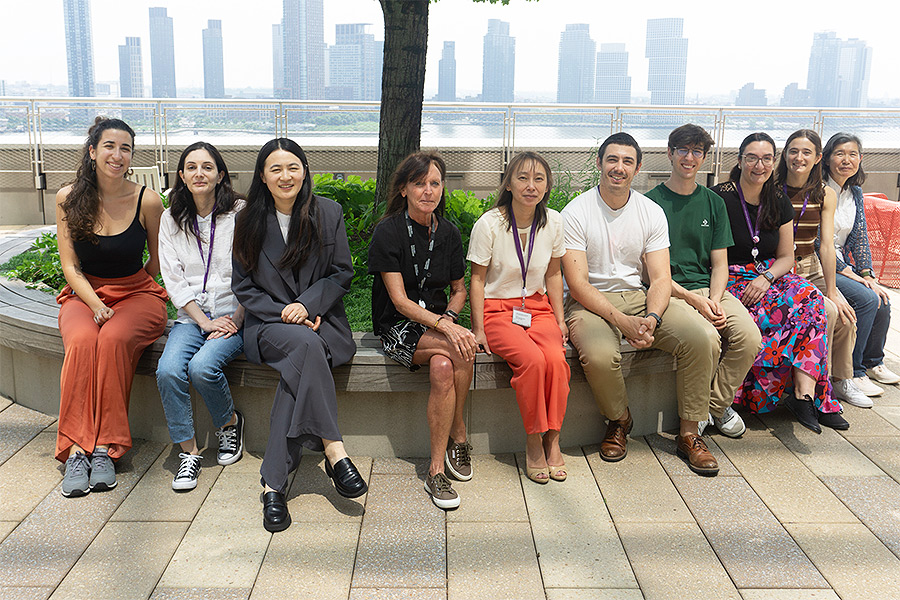
Jane Skok trained in immunology and genetics. After her PhD, she took a 12-year break from the lab to care for her daughter, who had a chronic illness, before returning to research.
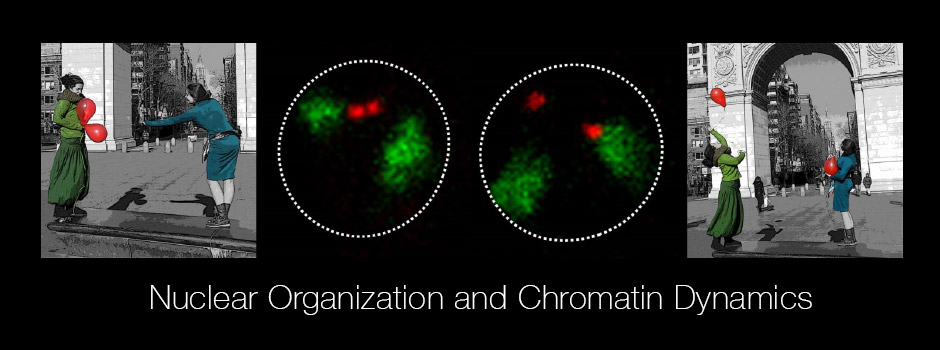
Our early imaging work showed antigen-receptor loci contracting, looping and relocating within individual nuclei. Today, we combine genetics, genomics and single-molecule approaches to investigate how chromatin organization regulates and buffers gene expression. Our work examines how CTCF, CTCFL, cohesin, condensin II and histone H1 variants shape genome folding, nucleosome organization and gene regulation. We ask how these systems support normal development and how their disruption contributes to cancer and developmental disorders. In HER2-positive breast cancer, we use single-cell multiome analyses and computational modelling to investigate the mechanisms by which drug combinations prevent the emergence of drug-tolerant persister (DTP) cells.
About Jane SkokJoin the lab
We welcome postdocs, students and staff scientists interested in 3D genome biology, chromatin and cancer, whether your background is at the bench or in computation.